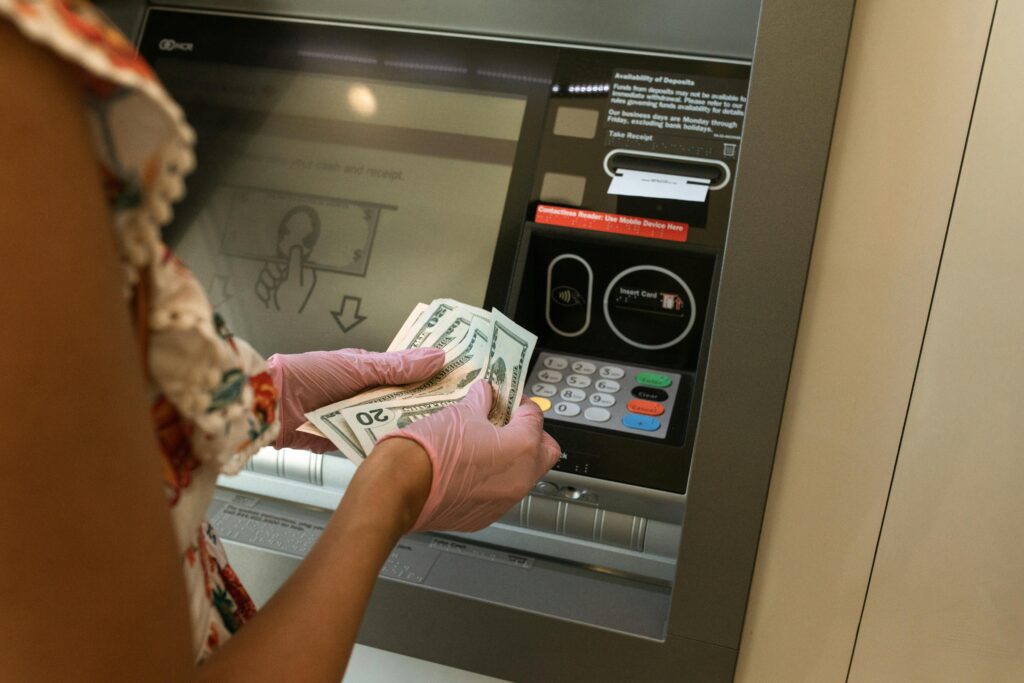

Imagine a world where you can access cash at an ATM without rummaging through your wallet for a debit card. Thanks to the seamless integration of UPI and mobile wallets like Google Pay, cardless cash withdrawals have gone mainstream—offering a blend of convenience, speed, and security. No more worrying about lost or stolen cards: your smartphone becomes the key to your cash.
Before you head out, you’ll need three essentials: a UPI-enabled app (such as Google Pay), an active bank account linked to that app, and an ATM that supports cardless UPI transactions. Most major banks—including SBI’s YONO Cash, HDFC, ICICI and other interoperable machines—have rolled out QR-based withdrawal interfaces. Double-check that your bank branch’s ATM displays the UPI logo or mentions “cardless withdrawal” on its screen.
The process is refreshingly simple: open Google Pay, tap on “Withdraw Cash (ATM),” select your bank account and enter the desired amount. A dynamic QR code or numeric code appears on your phone for a limited time. Walk up to the ATM, choose “UPI Cash Withdrawal,” scan the on-screen QR or input the code, confirm the transaction on your app with your UPI PIN, and voilà—you’ve got your money without a plastic card exchange.
While this innovation is liberating, it comes with a few caveats. Daily withdrawal caps typically hover around ₹10,000–₹20,000 depending on your bank’s policy. You’ll need an active internet connection and sufficient battery life, and sometimes minor transaction fees may apply. On the upside, every step is authenticated via your UPI PIN, reducing the risk of skimming or card cloning—features that, in my view, will drive broader adoption as digital literacy grows.
In conclusion, cardless ATM withdrawals represent a significant leap forward in personal finance convenience. By leveraging UPI’s secure framework and mobile-first banking apps, users gain rapid, hygienic access to cash without physical cards. As these interfaces become more ubiquitous and limits get adjusted, I anticipate this method will redefine how we think about ATM transactions—merging the best of digital security with real-world accessibility.