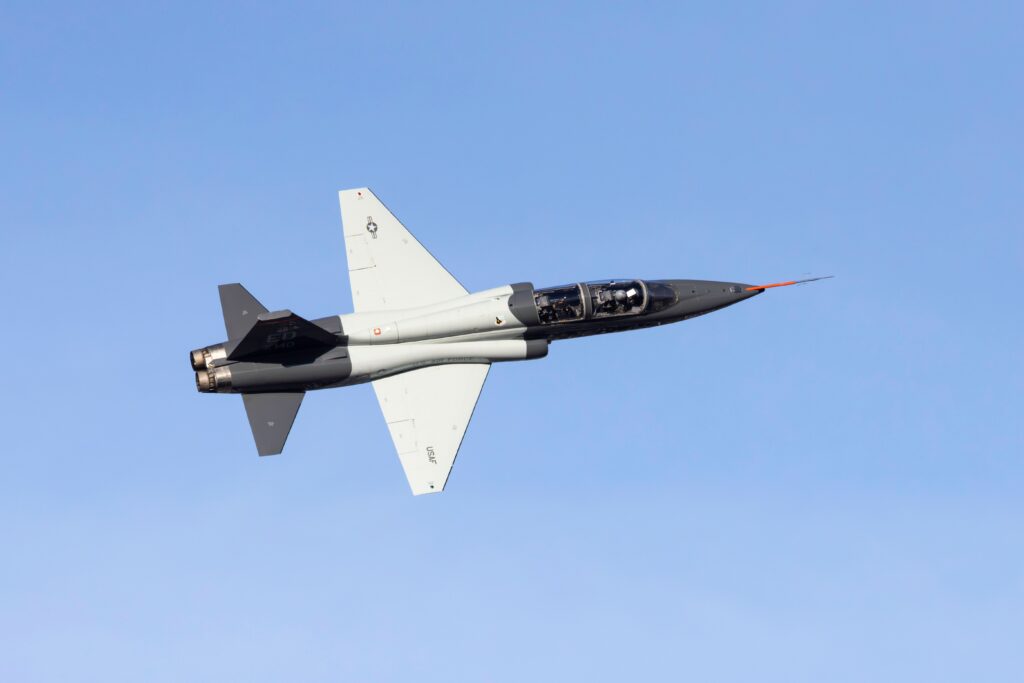

The Indian aerospace landscape is entering a transformative phase with Hindustan Aeronautics Limited’s latest project: the HLFT-42. Conceived as a next-generation supersonic lead-in fighter trainer, this aircraft aims to bridge the gap between basic flight instruction and the advanced performance demands of frontline combat jets. By focusing on homegrown innovation, India is seeking to modernize pilot training while reinforcing its status as a serious player in global aviation.
At its core, the HLFT-42 merges state-of-the-art avionics with a design that supports speeds beyond Mach 1. The platform boasts eleven hardpoints for weapons integration, enabling it to serve as a light combat asset when required. With a maximum take-off weight of 16.5 tons, this jet is built to handle the rigors of both intense training sorties and limited strike missions, offering a versatile solution for air forces.
Replacing an aging fleet of Hawk MK-132 trainers, the indigenous HLFT-42 promises a smoother transition for pilots en route to operating advanced fighters such as the Tejas Mk-2 and the upcoming Advanced Medium Combat Aircraft (AMCA). This continuity of training – from basic maneuvers to supersonic tactics – is crucial for fostering combat-ready aviators and reducing reliance on foreign procurement for critical defence requirements.
Beyond domestic service, the HLFT-42 could capture international interest, particularly among nations looking for cost-effective lead-in fighters. Countries from South Korea to Italy, and even potential allied customers in the UK and America, might see value in a platform that combines modern electronics, dual-role capability, and attractive price points. The success of this project could open new export channels, reinforcing India’s role on the global defence stage.
In conclusion, the HLFT-42 represents more than just an aircraft; it embodies India’s push for self-reliance in aeronautics and defence procurement. By accelerating development and fielding an advanced supersonic trainer, HAL can not only elevate pilot preparedness but also carve out new opportunities for indigenous aerospace exports. The next few years will be pivotal in determining whether this ambitious program lives up to its promise of strengthening India’s air power and aviation industry.