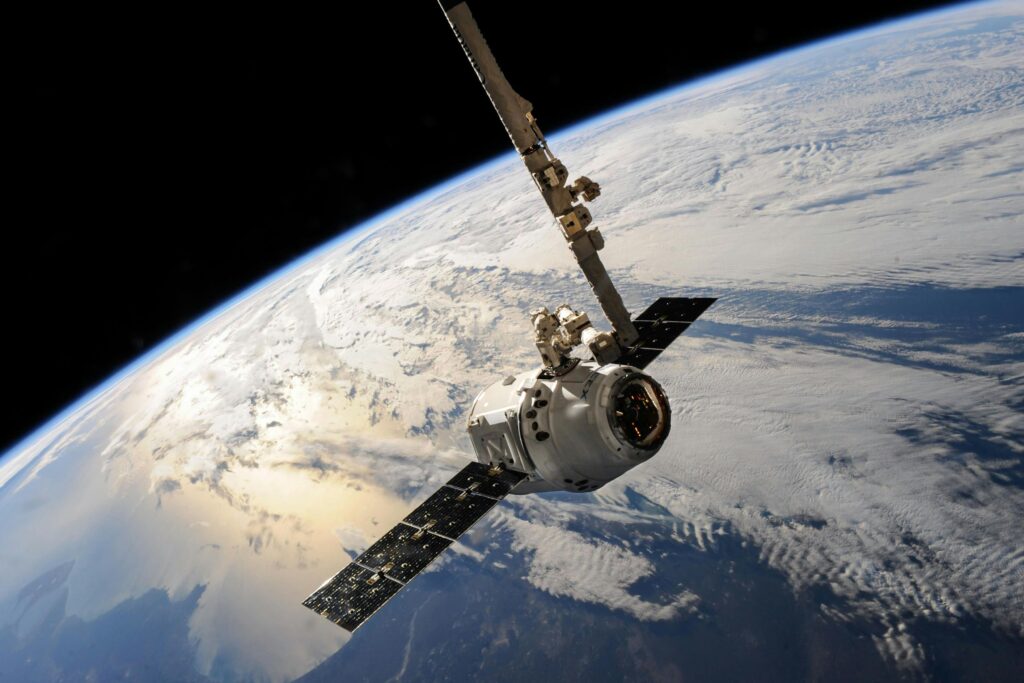

For decades, the story that you can see the Great Wall of China from space has circulated widely, capturing imaginations and inspiring awe. Yet seasoned astronauts and space agencies have stepped forward to challenge this popular notion, explaining that the legendary man-made structure generally blends too seamlessly with its surroundings at orbital altitudes. While a handful of special circumstances can enhance visibility, the idea of spotting the wall with the naked eye from low Earth orbit remains more myth than reality.
Veteran astronauts like Chris Hadfield and China’s first taikonaut, Yang Liwei, have shared firsthand accounts of the challenges in spotting the Great Wall. Their observations underscore that atmospheric haze, angle of sunlight, and the wall’s modest width make it virtually impossible to pick out against the earth’s varied terrain. Instead, they report that bright city lights, major roadways, and reflective ship wakes are far more striking features in nighttime or twilight passes.
To actually glimpse the Great Wall from space, specific conditions must align. Low-angle sunlight can cast long shadows that accentuate its profile, and a cloudless sky is essential for clarity. Even then, optical aids like high-resolution cameras or binoculars are required. Without these tools and perfect timing, the wall remains hidden beneath the veil of atmospheric distortion, emphasizing how tricky it is to detect narrow, earthbound structures from hundreds of kilometers above.
From my perspective, the persistence of this myth highlights our fascination with man-made achievements and the human tendency to embrace sensational stories. In an age where satellite imagery is readily available online, it’s easy to verify such claims. Yet the allure of believing that one of history’s greatest architectural feats is visible to the unaided eye from space shows how powerful—and persistent—these narratives can be.
In conclusion, while the Great Wall of China stands as an extraordinary symbol of human ingenuity, its visibility from low Earth orbit without technological assistance is largely a misconception. Instead, let us appreciate how city lights, sprawling highway networks, and other large-scale features truly light up our planet when viewed from space, and remember to look beyond popular legends for the real wonders that orbiting vantage points can reveal.