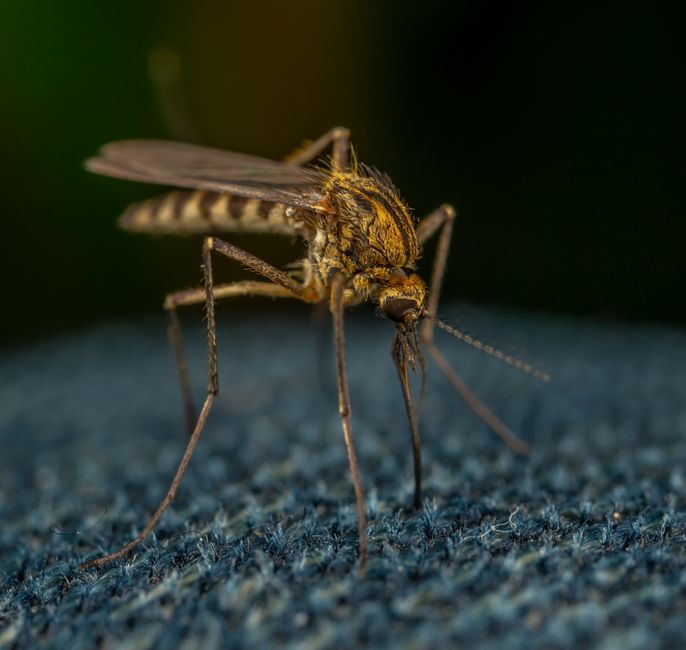

A new AI device developed by researchers at the University of Wollongong’s GIFT City campus could make mosquito monitoring faster, cheaper, and far more practical in the field. Instead of relying on labor-intensive species identification methods, the system listens to the sound of mosquito wingbeats and uses that audio to determine which species is present. The breakthrough could strengthen disease detection efforts by helping health authorities identify mosquito threats earlier.
Why mosquito species identification matters
Not all mosquitoes pose the same public health risk. Different species are associated with different diseases, which is why accurate species identification is critical for prevention and response. Aedes aegypti is widely known as a carrier of dengue, yellow fever, and zika, while Anopheles mosquitoes spread malaria parasites. Culex mosquitoes, meanwhile, are linked to illnesses such as encephalitis and filariasis.
Traditionally, entomologists identify mosquito species by collecting larvae and examining them, a process that takes time, expertise, and laboratory support. In regions where resources are limited, that can slow down mosquito surveillance and delay action in emerging disease hotspots.
How the AI device works
The newly developed AI device offers a simpler alternative. Built on a compact platform with an integrated microphone and display, it captures the buzzing sound produced by mosquito wingbeats and compares it with known acoustic signatures of different species. According to Prof Kiran Trivedi, the model behind the technology was trained using publicly available mosquito sound recordings.
The research team reported that the model achieved 88.3% accuracy in species identification. At present, the device can distinguish among three medically important mosquito groups: Aedes aegypti, Anopheles, and Culex. That makes it a potentially valuable tool for public health monitoring, especially where fast answers are needed.
Portable technology with field potential
One of the most notable features of the mosquito AI device is that it does not depend on internet connectivity or laboratory infrastructure. This makes it especially useful for remote or under-resourced settings, where conventional disease detection tools may be difficult to deploy. Its low-cost design also increases the possibility of wider adoption in public health programs.
Researchers say the technology could become even more powerful when used as part of a network. Multiple devices placed across an area could monitor mosquito activity continuously and provide real-time signals about where disease risk may be rising. Such a system could support earlier intervention and more targeted mosquito control strategies.
Global attention for a local innovation
The device was recently showcased at the United Nations AI for Good Global Summit in Geneva, highlighting its relevance beyond the laboratory. Its appearance at an international forum suggests growing interest in practical AI applications that address public health challenges in scalable ways.
If further validated at larger scale, this buzz-scanning technology could reshape how mosquito surveillance is carried out. By combining portability, affordability, and AI-based analysis, the innovation points toward a future in which disease detection begins with something as small as the sound of a wingbeat.
Key Terms
- AI: Artificial intelligence, or computer systems trained to recognize patterns and make predictions from data.
- Species: A specific type of living organism, such as one particular kind of mosquito.
- Wingbeat sounds: The buzzing noise created when a mosquito flaps its wings.
- Acoustic signature: A distinctive sound pattern that can be used to identify a mosquito species.
- Larvae: The immature stage of mosquitoes that lives in water before becoming an adult.
- Vector: An organism that carries and spreads disease-causing agents between hosts.
- Aedes aegypti: A mosquito species known for spreading dengue, yellow fever, and zika.
- Anopheles: A group of mosquitoes that can transmit malaria parasites.
- Culex: A mosquito group associated with diseases such as encephalitis and filariasis.
- Disease hotspot: An area where the risk or number of disease cases is increasing.