
Finding Stillness in a Fast-Moving World
In today’s fast-paced lifestyle, many people move from one responsibility to the next without taking time to pause, breathe, or notice how they truly feel. This constant motion can gradually create a sense of disconnection from the self. Yoga offers a meaningful way to restore that connection by bringing attention back to the body, the breath, and the present moment.
More than a physical workout, yoga is a holistic practice that supports both physical vitality and mental clarity. Through regular practice, it can help individuals slow down, become more aware of internal sensations, and respond to daily stress with greater calm. This is where Asana and Pranayama play a central role.
How Asanas Help Energize the Body
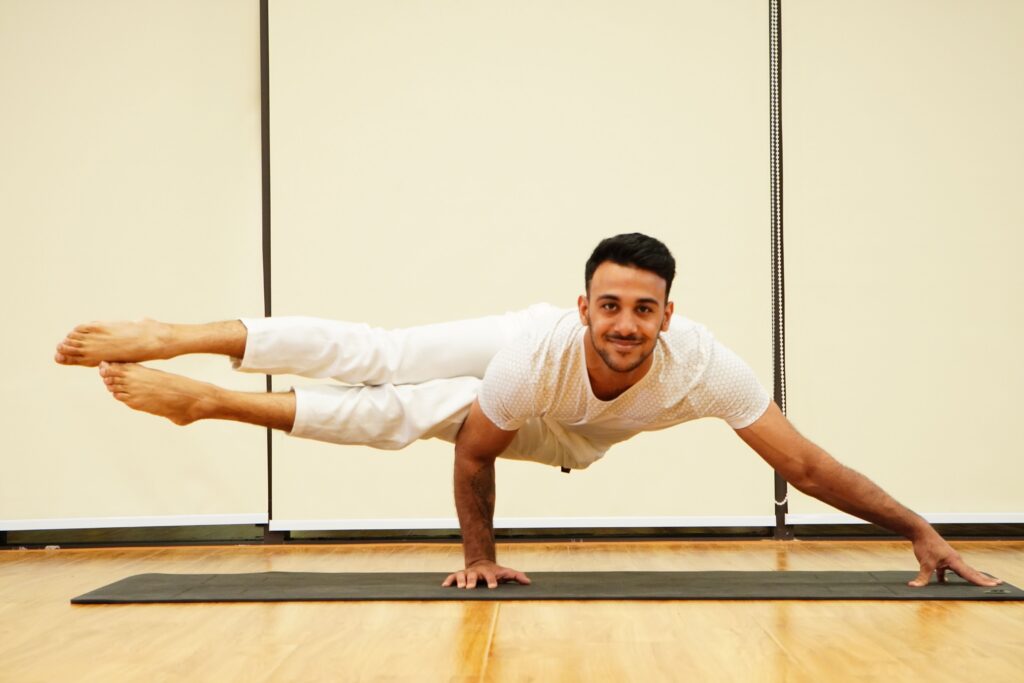
Asanas, or yoga postures, are designed to engage specific parts of the body through stretching, stability, and controlled movement. When practiced with proper breathing and relaxation, these postures may help improve circulation, release tension, and create a renewed sense of energy throughout the body. The idea is not simply to move, but to move with awareness.
Each posture also encourages a temporary withdrawal from external distractions, a yogic principle known as Pratyahara. This inward turning of attention can make concentration easier and prepare the mind for deeper states of stillness. In that sense, the physical pose becomes a doorway to mental focus and meditation.
The Calming Power of Pranayama
Pranayama refers to yogic breathing techniques that regulate and deepen the breath. These practices are widely valued for their ability to calm the nervous system, improve focus, and encourage relaxation. In a world where stress often keeps the body in a constant state of alertness, intentional breathing can help create a much-needed shift toward balance.
When Asana and Pranayama are practiced together, they work hand in hand to build self-awareness. Over time, practitioners may notice that moments of stillness no longer feel empty or uncomfortable. Instead, they begin to feel like a refuge—a space where clarity, emotional steadiness, and inner connection can develop.
Restorative Poses and Inner Reflection
Restorative yoga postures such as Supta Bhadrasana and Shavasana can be especially supportive for introspection. These poses invite the body to rest deeply while allowing the mind to settle. Although stillness may seem unfamiliar or even boring at first, regular practice can transform it into a powerful source of peace and self-understanding.
A simple awareness practice can begin by sitting comfortably with the eyes closed, bringing attention to the breath, noticing physical sensations, and observing thoughts as they come and go. When the mind wanders, gently returning to the breath helps strengthen focus without judgment. Practiced consistently, this quiet discipline can shape the way a person meets everyday challenges.
Why Daily Practice Matters
One of yoga’s most valuable benefits is that its effects often extend far beyond the mat. The awareness cultivated through Asanas and Pranayama can support better concentration, more balanced emotional responses, and a greater ability to pause before reacting impulsively. In daily life, this can translate into clearer thinking, steadier moods, and a stronger sense of presence.
Ultimately, yoga is not only about flexibility or fitness. It is also a practice of returning to oneself. In the middle of modern life’s demands, even a few minutes of mindful movement and conscious breathing each day can help awaken a deeper sense of calm, connection, and self-awareness.
Key Terms
- Asana: A yoga posture or physical pose used to build strength, flexibility, and awareness.
- Pranayama: Breathing techniques in yoga that help improve calmness, focus, and control of the breath.
- Pratyahara: The practice of turning attention away from outside distractions and inward toward the self.
- Dharana: A state of focused concentration in which the mind is trained to remain steady.
- Dhyana: Meditation; a deeper, continuous state of awareness and mental stillness.
- Nervous system: The body’s communication network that controls sensation, movement, and responses to stress.
- Supta Bhadrasana: A reclining restorative yoga pose often used to encourage relaxation and openness.
- Shavasana: A final resting pose, usually lying flat on the back, designed for deep relaxation and integration.