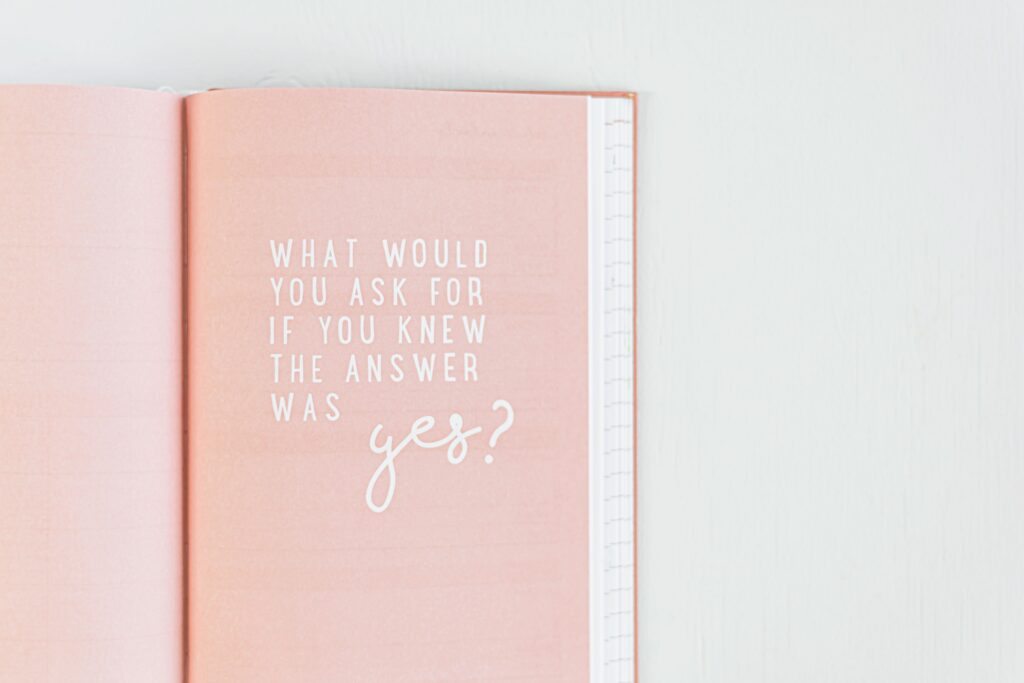

Most people like to believe they move through the day guided by clear intention. In reality, much of human behavior is sparked by small, often unnoticed signals known as prompts. These cues can be as ordinary as a traffic light turning green, a phone vibration, or the first drops of rain on your arm. Quiet as they may seem, prompts frequently act as the starting point for action.
The Hidden Architecture of Daily Behavior
A prompt is any signal that tells the brain, in effect, “Do this now.” Some prompts emerge naturally from the environment, while others are carefully designed to capture attention. Feeling smoke in the kitchen may send you rushing to the oven; seeing a new message alert may lead you to check your inbox before you even think about it. In both cases, the cue comes first, and the behavior follows.
This idea helps explain why so many actions happen automatically. People often respond to prompts with little conscious reflection, especially when they are already motivated and able to act. That is what makes prompts so powerful: they do not have to force behavior, only unlock it at the right moment. When the timing is right, even a tiny cue can have outsized influence.
Why Notifications and Clickbait Work So Well
Digital platforms have become masters at using prompts to shape attention. Notifications, red badges on apps, and carefully crafted clickbait headlines are all built around the same principle: get the user to notice something and act immediately. Add a motivator such as curiosity, urgency, or the promise of a reward, and the response rate often rises even further.
That is why prompts matter not only in psychology, but also in modern media and technology design. Internet advertisers and app developers understand that behavior becomes far more likely when a cue appears at the exact moment a person is ready to respond. In practical terms, prompts are often the bridge between intention and action.
The Problem Is Not Always Motivation
One of the most useful insights in this idea is that people do not always fail because they lack discipline. Sometimes the missing piece is simply the absence of an effective prompt. You may genuinely want to meditate, exercise, or drink more water, and you may be fully able to do those things, but without a reminder at the right moment, the behavior never begins.
This perspective can be freeing. Instead of blaming yourself for forgetting, it may be more productive to examine the signals in your environment. Many people are overloaded with prompts they do not want, such as endless alerts and distractions, while lacking the cues that would support the habits they actually value.
Designing Better Prompts for a Better Life
The broader lesson is that prompts are already guiding much of daily life, whether people notice them or not. The challenge is to reduce the influence of unwanted cues and create better ones for meaningful routines. A visible water bottle on your desk, a calendar alert before a workout, or a book placed on your pillow can all function as prompts that support intentional behavior.
Understanding prompts can help people reclaim attention from autopilot living. Rather than being pushed around by every buzz, badge, and interruption, it becomes possible to build an environment that works in favor of long-term goals. In that sense, prompts are not just invisible drivers of our lives; they are also tools that can be redesigned to serve us better.
Key Terms
- Prompt: A cue, signal, or reminder that triggers an action.
- Behavior: Any action a person takes in response to a situation or cue.
- Motivation: The desire, reason, or willingness to do something.
- Ability: Having the time, energy, skill, or resources needed to perform an action.
- Notification: A message or alert from a phone, computer, or app designed to attract attention.
- Clickbait: A headline or message created to encourage clicks by using curiosity, excitement, or urgency.
- Autopilot: Acting automatically with little deliberate thought.