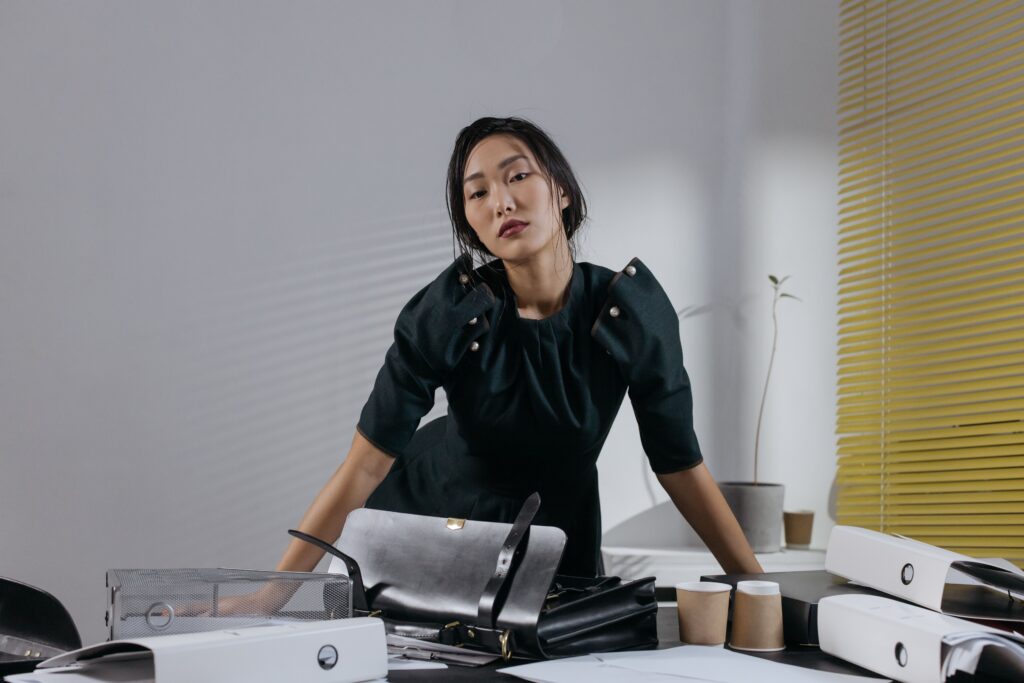

Rethinking Office Dress for a Hotter Climate
As temperatures climb and workplace norms evolve, office fashion is being forced to confront a simple question: why should professionalism depend on full-length trousers in punishing heat? Across Europe, the US, and Japan, tailored shorts are emerging as a practical summer option in professional settings, signaling a broader shift toward climate-sensible dressing.
The debate feels especially relevant in places like India, where 42°C heat can make traditional office wear seem deeply out of touch with everyday reality. Many workplace dress codes were inherited from colder regions, where suits and layered formalwear matched the weather as much as the culture. In hotter climates, however, those same standards can feel outdated, uncomfortable, and increasingly difficult to justify.
Professionalism Beyond Trouser Length
The larger argument is not really about shorts alone. It is about whether competence, authority, and seriousness should still be judged through rigid clothing conventions. For generations, long trousers have been treated as a symbol of adulthood and professional legitimacy, particularly for men. But that symbolism is losing its power as offices become more open to practicality, comfort, and modern ideas of presentation.
If workplaces genuinely believe in gender-neutral standards, then sensible, well-cut shorts should be considered acceptable for everyone, not just a fashion experiment for a few. The key distinction is polish: tailored shorts that are neat, structured, and appropriate for the office are very different from overly casual styles. In that sense, office fashion is not being abandoned; it is being updated to fit both the climate and the times.
The Pandemic’s Quiet Influence on Workplace Style
The pandemic helped accelerate this change in subtle but lasting ways. During the work-from-home years, countless professionals attended meetings in crisp shirts paired with unseen casual shorts below the camera frame. That period quietly exposed how much of workplace formality was performative. The quality of someone’s work was never determined by what covered their knees.
Now, that private compromise is becoming a public style statement. The move from hidden comfort to visible, polished practicality reflects a wider rethinking of how people want to dress at work. Tailored shorts, once unthinkable in formal spaces like boardrooms, are increasingly being seen as a reasonable response to heatwave conditions and changing expectations.
A Smarter Standard for Modern Offices
The conversation around office fashion is ultimately about adaptation. As climate pressures intensify, employers may need to reconsider whether old dress codes still serve a meaningful purpose. A smarter workplace standard would focus less on inherited visual rules and more on whether employees look presentable, feel comfortable, and can work effectively.
In that context, tailored shorts are not a rebellion against professionalism but a practical refinement of it. Heatwaves do not distinguish between junior staff, executives, men, or women. A dress code that acknowledges this reality may be better suited to the future than one still shaped by the assumptions of a cooler past.
Key Terms
- Tailored shorts: Shorts designed with a structured, polished fit so they look more formal than casual summer wear.
- Office fashion: Clothing considered appropriate for professional workplaces.
- Boardrooms: Meeting rooms where senior leaders discuss business strategy and decisions.
- Gender-neutral: A standard or approach that applies equally to all people regardless of gender.
- Heatwave: A prolonged period of unusually high temperatures.
- Climate-sensible fashion: Clothing choices that respond practically to weather conditions and environmental realities.