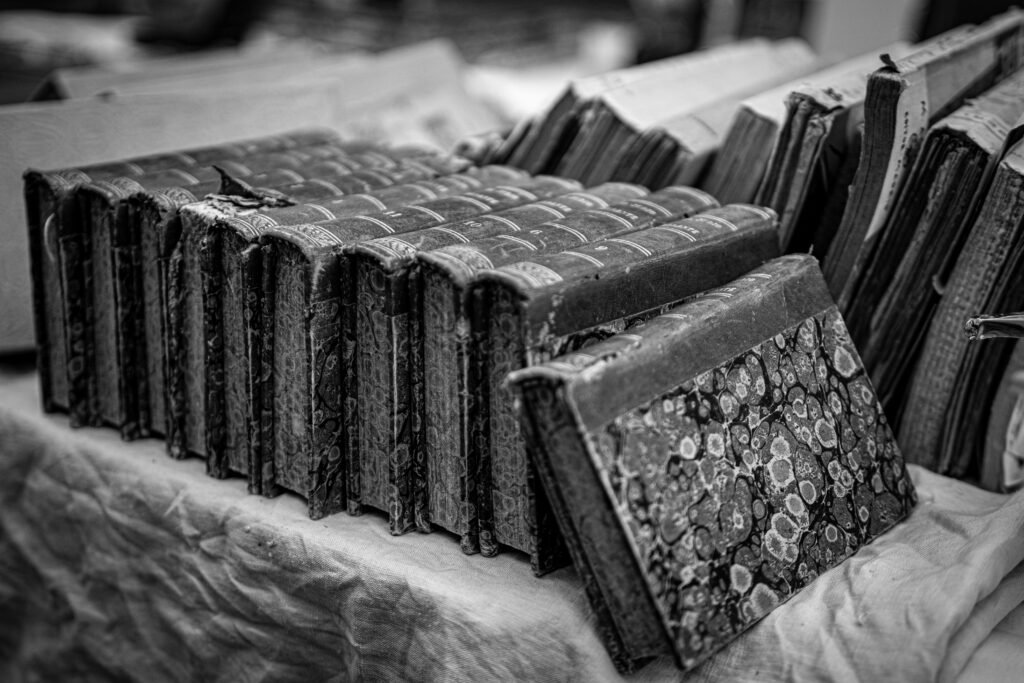

Understanding What Gives an Old Book Value
Many people assume that age alone makes a book valuable, but the real picture is more complicated. When assessing old books, the most important starting point is market value: a book is worth only what a buyer is actually willing to pay for it. That means a sky-high online listing does not prove anything unless a sale happens at that price. At the same time, book value is not always financial. Some copies carry historical importance, research significance, or deep personal meaning that may never be reflected in a resale listing.
Before seeking a professional appraisal, owners can perform a useful first review at home. This early check can help determine whether a book may deserve expert attention or whether it is mainly of sentimental interest. In the world of book collecting, details matter enormously, and even small differences in condition or printing history can affect the final price.
Condition Comes First
The physical state of a book is one of the biggest factors in determining book value. Start by checking for brown spots, stains, warping, or brittle pages. One major danger is mold, which can seriously damage paper and quickly reduce collectibility. Missing pages, tears, and heavy markings also tend to lower value, especially for collectors seeking clean, well-preserved copies.
It is also important to see whether the book was once part of a library collection. Ex-library copies often contain stamps, labels, glue residue, pockets, or protective coverings that collectors usually dislike. These alterations, combined with the wear caused by frequent handling, often make such books less desirable on the resale market.
Edition and Printing Details Matter
One of the most important clues in valuing vintage books is whether the copy is a first edition or first printing. Collectors often look for a number line such as 1 2 3 4 5 6 7 8 9 10, usually found on the copyright page. The lowest number in that line generally reveals the printing: 1 indicates a first printing, 2 a second printing, and so on. In some cases, publishers used methods that differed from the standard pattern. For example, certain Simon & Schuster books from the early 1970s did not explicitly say “First Edition,” so collectors had to rely on other bibliographic clues instead.
Another often-overlooked detail is the dust jacket. If the original price appears on the inside front flap, that is generally a positive sign. If the corner with the price has been cut off, the jacket is considered price-clipped. For some collectors, that change can reduce the appeal of an otherwise strong copy because it is no longer fully original.
Signatures, Ownership Marks, and Hidden History
A signed book can be more valuable, particularly if the author signed directly on one of the book’s pages. Signatures from notable figures may also add interest. However, context matters. If the signature is written on a separate sheet, attached later, or placed on a bookplate rather than in the book itself, some collectors may see it as less desirable. An inscription addressed to a specific person can also affect value differently depending on the buyer.
Previous ownership marks may lower value for some collectors, but they are not always negative. A name written inside a book can help trace its history, and handwritten notes may provide insight valuable to researchers. In some cases, these markings preserve stories that might otherwise be lost, giving the copy importance beyond its commercial price.
Why Old Books Are Worth More Than a Price Tag
For anyone wondering about old books and book value, the answer lies in a combination of condition, edition, printing details, and provenance. A first edition in strong condition with an intact dust jacket and a meaningful signature may command serious interest, while a worn ex-library copy may not. Still, even a book with limited resale value can remain important because of its historical role, family connection, or research relevance.
In short, the best way to judge whether an old book is worth something is to begin with careful observation and realistic expectations. Not every vintage book is rare, but the right combination of features can make one stand out. And even when the market says otherwise, a book can still hold value that no listing fully captures.
Key Terms
- Market value: The amount a real buyer is willing to pay for a book in an actual sale.
- First edition: The first published version of a book released by a publisher.
- First printing: The earliest batch of copies printed from a particular edition.
- Number line: A row of numbers inside a book used to identify the printing.
- Ex-library: A book that once belonged to a library and may show stamps, labels, or heavy wear.
- Price-clipped: A dust jacket whose printed price has been cut off.
- Dust jacket: The removable paper cover wrapped around many hardcover books.
- Bookplate: A label placed in a book, often showing ownership or carrying a signature.
- Inscribed: Signed with a personal message to a specific person.
- Mold: A fungus that can stain and damage books, lowering their condition and value.