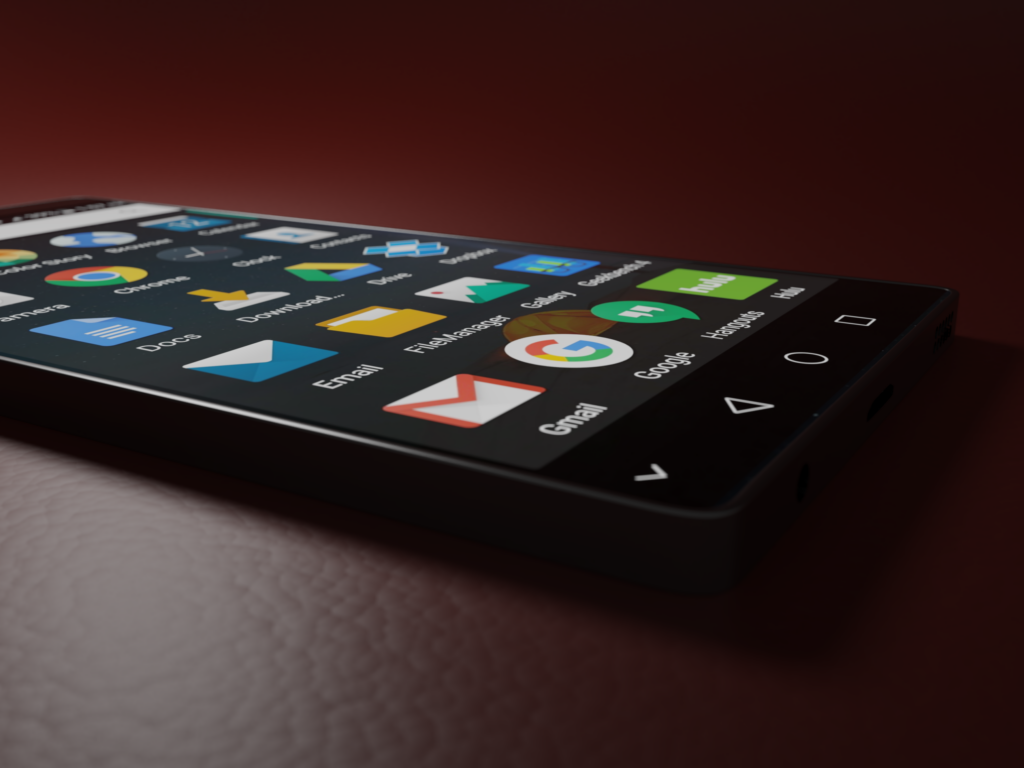

As more drivers lean on in-car tech for navigation and entertainment, Android Auto has emerged as a popular companion on the dashboard. It promises hands-free control, voice commands, and easy access to music and maps. But does every Android handset qualify for this seamless experience? Let’s explore how broad the reach of Android Auto really is.
At its core, Android Auto supports devices running recent versions of the Android operating system—typically Android 6.0 (Marshmallow) and above. Most name-brand manufacturers ship phones with compatible software out of the box, so you’ll rarely need to worry about hidden barriers. Exceptions arise if you’ve installed a custom or heavily modified ROM that omits Google’s core services, which are crucial for Android Auto’s operation.
Google continuously refines the Android Auto ecosystem, pushing updates through the Play Store and embedded car head units. This ensures new features—like dynamic media recommendations or advanced voice recognition—arrive smoothly. As long as your phone retains the official Google Play Services and the Android Auto app, you’re set to enjoy the latest enhancements whenever they roll out.
From my perspective, this wide compatibility reflects a thoughtful strategy by Google: to make smart-driving tools accessible to the average motorist. It reduces frustration at the dealership and minimizes the learning curve for drivers upgrading their vehicles or phones. By keeping barriers low, Google encourages safer, connected journeys without demanding the newest or priciest hardware.
In conclusion, almost any modern Android phone can leverage Android Auto, provided it hasn’t strayed from stock software. To get started, verify your OS level, download the official app, and use a reliable USB cable or wireless connection if supported. With these simple steps, you’ll unlock a smarter and safer driving companion—no exotic setup required.